
Best Places to Visit in Rwanda as a Tourist 2025
Rwanda is a land of surprising variety: vibrant cities on rolling hills, misty rainforests teeming with primates, sprawling savannas dotted with wildlife, and tranquil lakes framed by volcanoes. In recent visits, travelers found places to visit in Rwanda that truly stand out — from gorilla trekking at Volcanoes National Park to sunset kayak rides on Lake Kivu. One guide even praises Volcanoes National Park as “one of the best places to visit in Rwanda.” The journey begins in Kigali, the bustling capital, then continues to top Rwanda destinations like Nyungwe Forest, Akagera Park, and cultural sites in Butare. This guide shares what to do, how to get there, and practical tips — written in an active, friendly voice and aimed at helping visitors plan an unforgettable trip. Whether the interest is in Rwanda adventure areas or must-see places in Rwanda, this guide paints a vivid, practical picture
Places to Visit in Rwanda – Our Top Picks
Kigali City
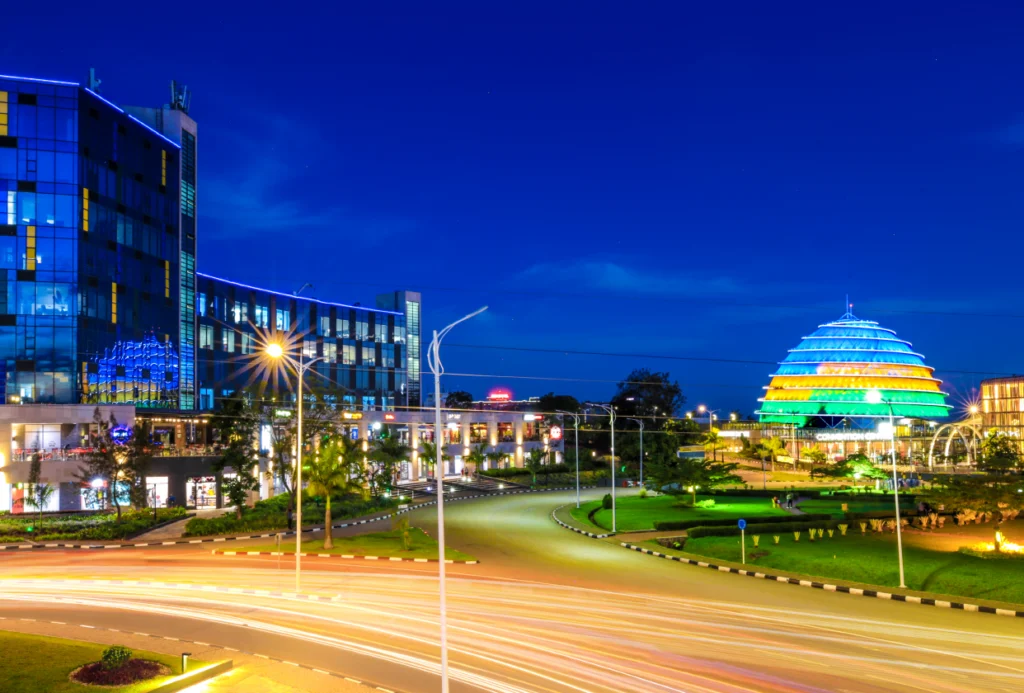
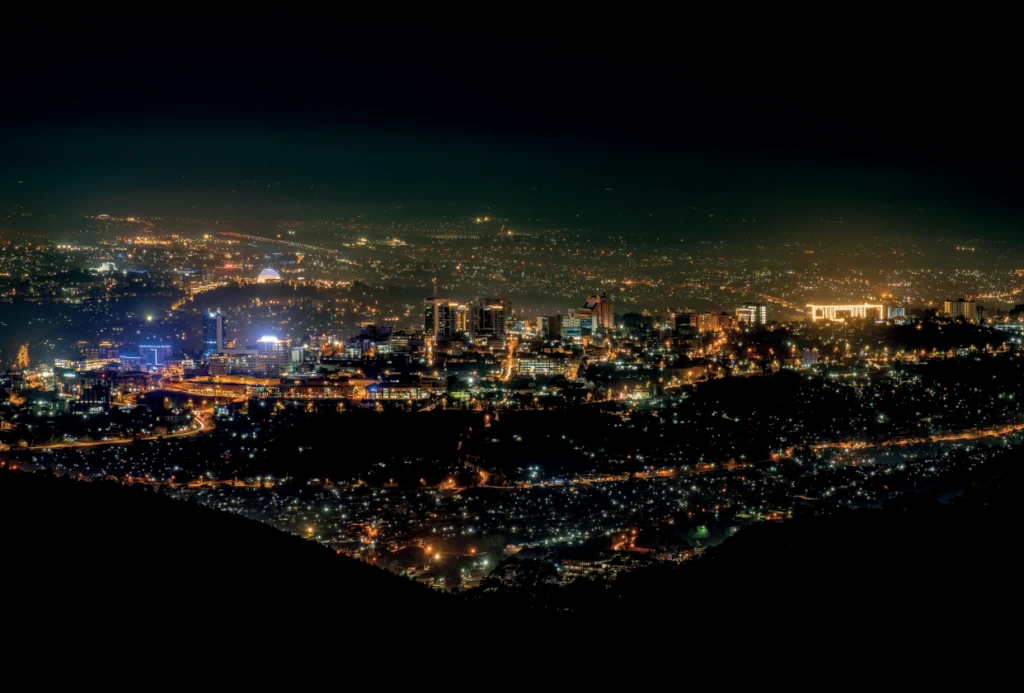
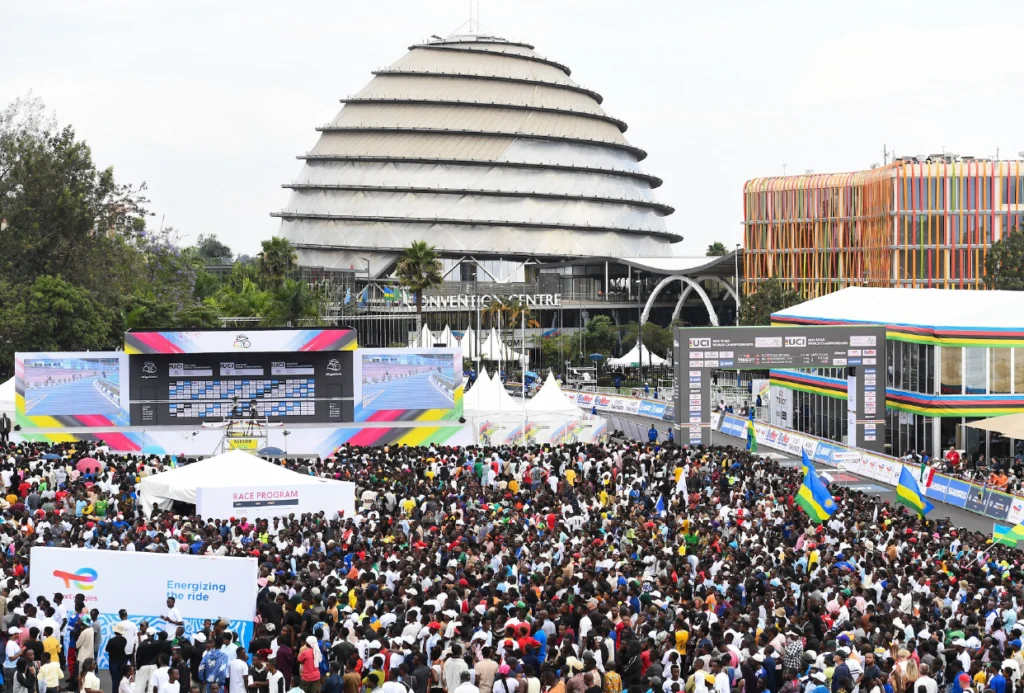
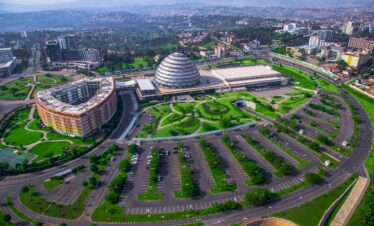
Kigali, Rwanda’s capital, sprawls over many hills and immediately impresses with its cleanliness, safety and energy. The city’s pulse is felt in bustling markets and modern cafés. Kigali is Rwanda’s cultural and economic heart — locals describe it as having a “vibrant arts scene and thriving nightlife.” Neighborhoods like Nyamirambo offer street art and lively dining. The Kigali Genocide Memorial provides a quiet, moving account of the nation’s history. By night, the skyline glows with city lights and music from rooftop bars. Kigali serves as the primary entry point for most travelers to Rwanda’s parks. Colorful markets, rich Rwandan coffee, and friendly neighborhoods make the city a compelling start to any itinerary.
Sunset over the Kigali skyline – vibrant city life in Rwanda’s capital.
What to Do There
Kigali Genocide Memorial: Spend a morning at the Kigali Genocide Memorial, reflecting on its moving exhibits of 1994. It’s a somber but essential visit.
Kimironko Market: Wander the lively Kimironko Market in Remera, browsing crafts, fabrics, spices and fresh fruit. It’s ideal for people-watching.
City Strolls & Landmarks: Explore Camp Kigali (murals and coffee shops) and the Gaddafi Mosque. Walking or hiring a moto-taxi reveals the Ivuka Arts Center and local boutiques.
Mount Kigali Hike: For panoramic city views, hike or drive up Mount Kigali. The top offers red-tiled roofs and church spires spread over hills — a beautiful panorama at sunset.
Food & Nightlife: In Nyamirambo, try brochettes and local street food. Evenings often feature live music at intimate venues or a relaxed drink on a terrace.
Best Time to Visit
Dry months (June–September and December–February) are ideal for city touring with clearer skies and less rain. Kigali’s weather remains pleasant year-round (average 20–27°C), but March–May and October–November can bring heavier showers. Plan around events such as KigaliUp (August) and Kwita Izina (September) for extra cultural activity.
How to Get There
Kigali is accessible via Kigali International Airport (KGL), with flights from major regional and international hubs. Intercity buses and private transfers connect Kigali to other Rwandan destinations. Within the city, mototaxis and buses provide convenient transport.
Tips
- Local SIM & Cash: Purchase a local SIM at the airport and carry small Rwandan francs. Some street vendors may not accept cards.
- Dress and Culture: Kigali is relaxed but modest; wear sleeves and avoid overly short shorts when visiting religious sites or markets.
- Safety & Transport: Kigali generally feels very safe; use registered taxis at night and keep valuables secure.
- Try Local Food: Don’t miss sambaza (fried lake sardines), brochettes and ibitoke (fried plantains). A beef brochette with fresh passionfruit juice is a local favorite.
Volcanoes National Park
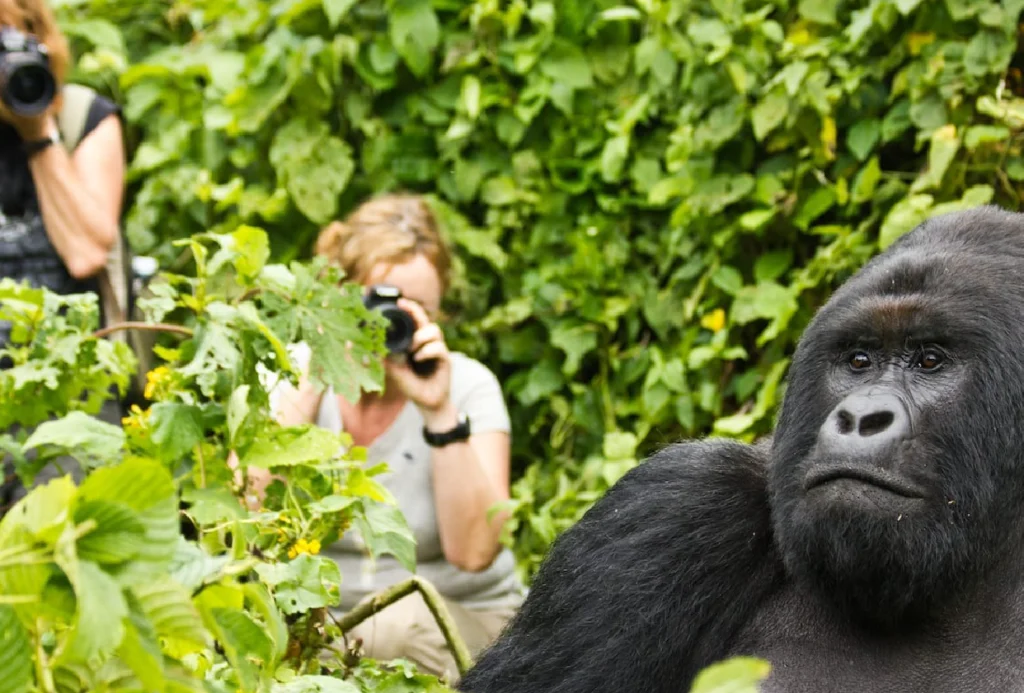
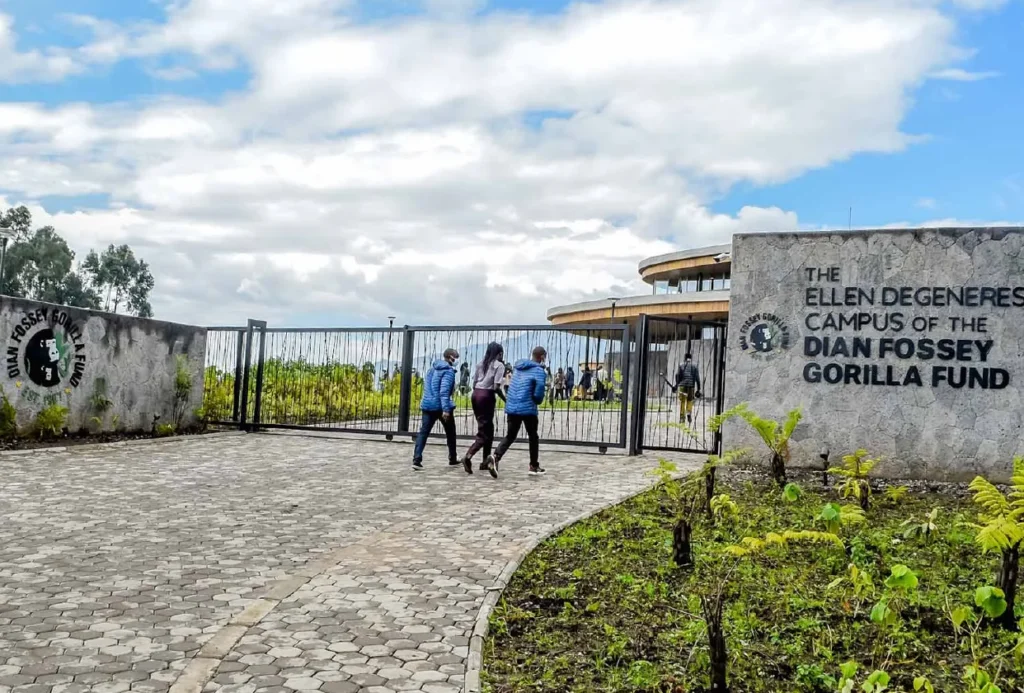
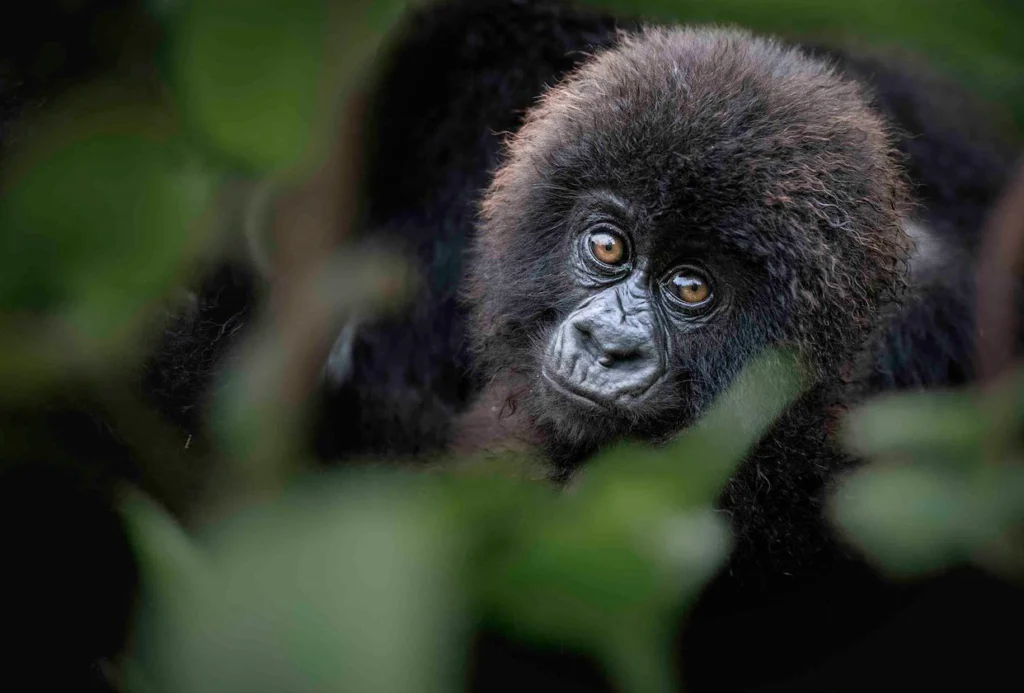
A short drive north of Kigali, Volcanoes National Park is a crown jewel among Rwanda travel spots. Lush slopes of the Virunga volcanoes rise like a green wall around the park. This area is famous for mountain gorillas, which survive here in one of the world’s last strongholds. Official descriptions highlight Volcanoes NP for its biodiversity, including mountain gorillas, golden monkeys, and a large variety of birds. The gorilla trek experience includes misty bamboo groves and the unforgettable sight of gorilla families feeding or interacting—one of Earth’s most memorable wildlife encounters.
One of Volcanoes NP’s gentle giants: a mountain gorilla mother and baby during a guided trek.
What to Do There
Gorilla Trekking: Early morning treks lead into forested areas to locate habituated gorilla families. An hour observing a silverback and juveniles provides a profound wildlife moment. Booking permits well in advance is essential.
Golden Monkey Tracking: For an alternative, join golden monkey tracking in bamboo forests where these agile primates leap among shoots.
Bird Watching & Nature Walks: Use binoculars to spot motmots, turacos and thrushes; forest elephants may appear in clearing areas.
Volcano Hikes: Hiking Mount Bisoke to its crater lake offers dramatic views at sunrise. Visiting the Dian Fossey research camp provides historical context for conservation efforts.
Cultural Visits: The Iby’iwacu Cultural Village offers traditional drumming and weaving demonstrations that support local livelihoods.
Best Time to Visit
The dry seasons (June–September and December–February) offer easier trail conditions and clearer views. Gorillas can be trekked year-round, but heavy rains in March–May can make trails slippery. Pack a rain jacket and gaiters for unpredictable mountain weather.
How to Get There
Volcanoes NP is approximately 100–110 km (2–3 hours) from Kigali by road. Most visitors hire drivers or join tour vans. Charter flights to Musanze shorten travel time, with a short transfer from the airstrip to park headquarters.
Tips
- Permits & Guides: Secure gorilla permits early via Rwanda’s park authority. Guides and trackers enhance safety and sightings. Tipping trackers is customary.
- Gear: Wear long sleeves, hiking boots and gaiters to protect against nettles and muddy trails. Bring trekking poles, sunscreen and a quality camera (no flash near gorillas).
- Etiquette & Health: Maintain distance from gorillas, avoid eating during treks, and follow health guidelines (vaccinations and hand hygiene). Acclimatize to altitude and consider anti-altitude measures if needed.
Akagera National Park
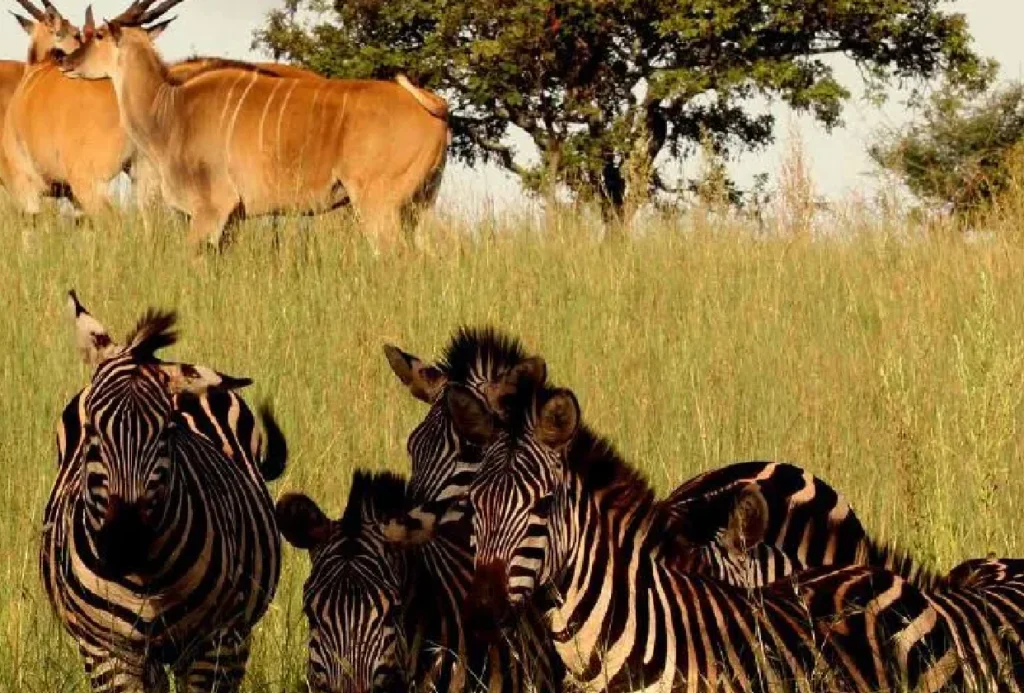
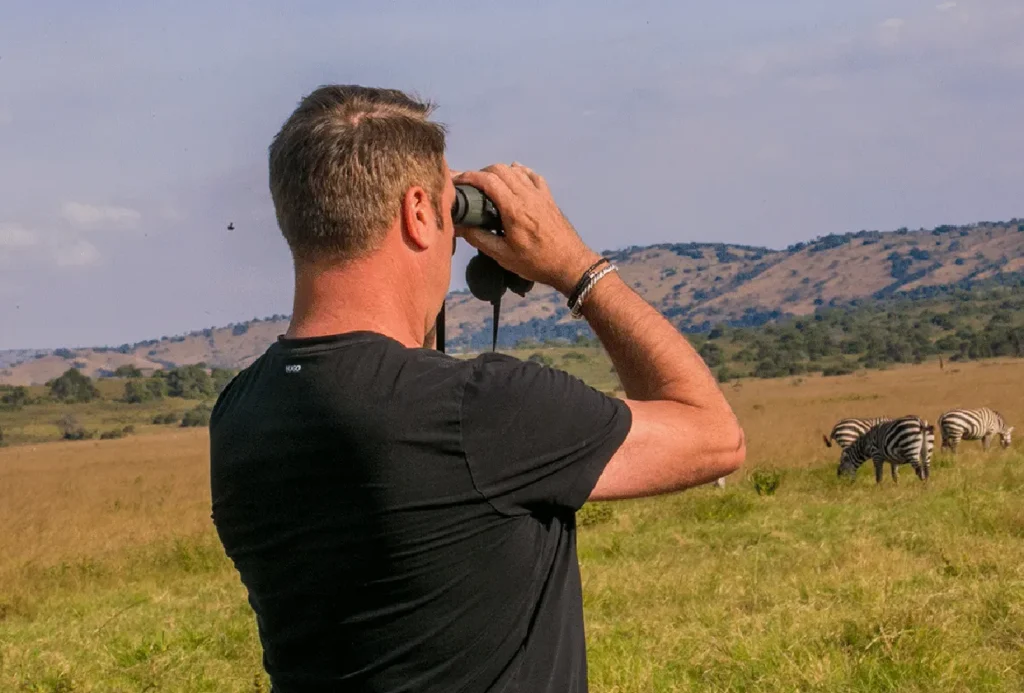
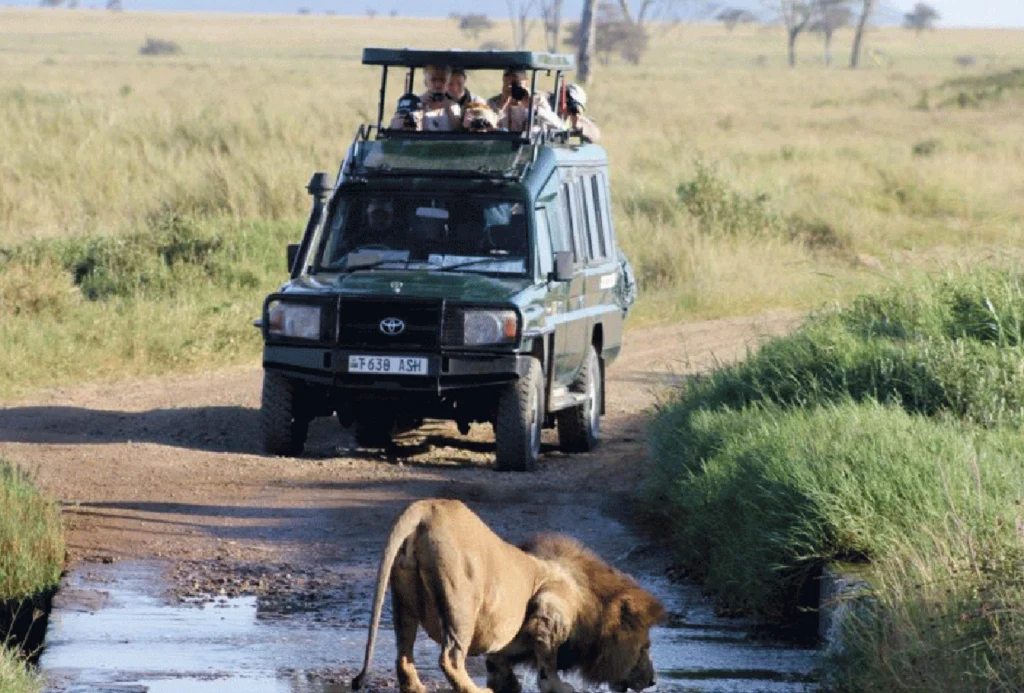
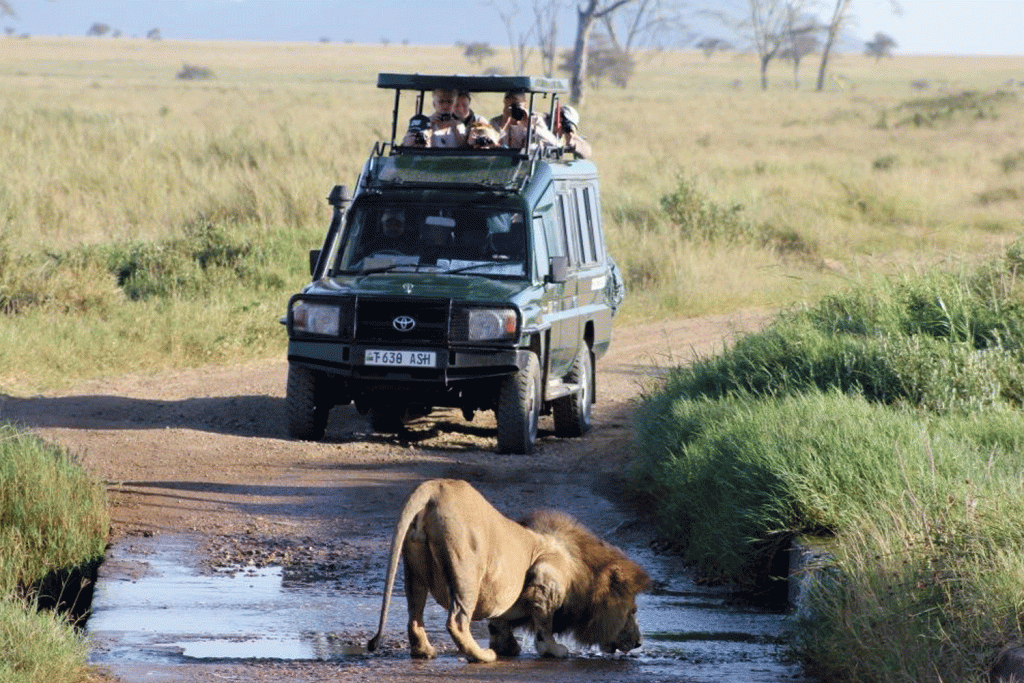
In eastern Rwanda, Akagera National Park offers savanna wildlife and lakes in a surprising contrast to the country’s mountain forests. Akagera spans grassland, woodland, papyrus swamps and lakes. Recent conservation efforts have rebuilt wildlife populations, and the park now supports elephants, giraffes, buffalo and lions. Lake Ihema teems with hippos, crocodiles and waterbirds. Boat cruises on the lake provide calm, close-up wildlife viewing at sunrise or sunset.
Boat safari on Lake Ihema in Akagera NP, home to hippos and crocodiles along with acacia-lined savannas.
What to Do There
Game Drives: Dawn and dusk drives reveal active wildlife at watering holes and dry riverbeds. Guides lead 4×4 safaris to spot giraffes, zebras and rhinos.
Boat Safari: Lake Ihema boat trips showcase hippos and crocodiles and attract abundant waterbirds.
Birding: With over 500 bird species, the park is a top destination for birdwatchers seeking species like crowned cranes and kingfishers.
Night Safaris: Guided night drives uncover nocturnal species such as genets and bushbabies.
Conservation Tours: Park-led programs explain reintroduction and protection efforts.
Best Time to Visit
Dry months (June–September and December–February) concentrate wildlife near water sources and improve road access. Boat trips tend to run best during the dry season.
How to Get There
Akagera lies about 100 km east of Kigali (1.5–2 hours by car). Roads are paved to park access points, and 4×4 vehicles are recommended during wet seasons. Several lodges operate inside and near the park.
Tips
- Start Early: Wildlife is most active at dawn.
- Sun Protection: Wide-brim hats and sunscreen are essential on open plains.
- Comfortable Clothing: Neutral-colored clothing blends with the savanna.
- Support Conservation: Choose operators that contribute to anti-poaching and community programs.
Nyungwe Forest National Park
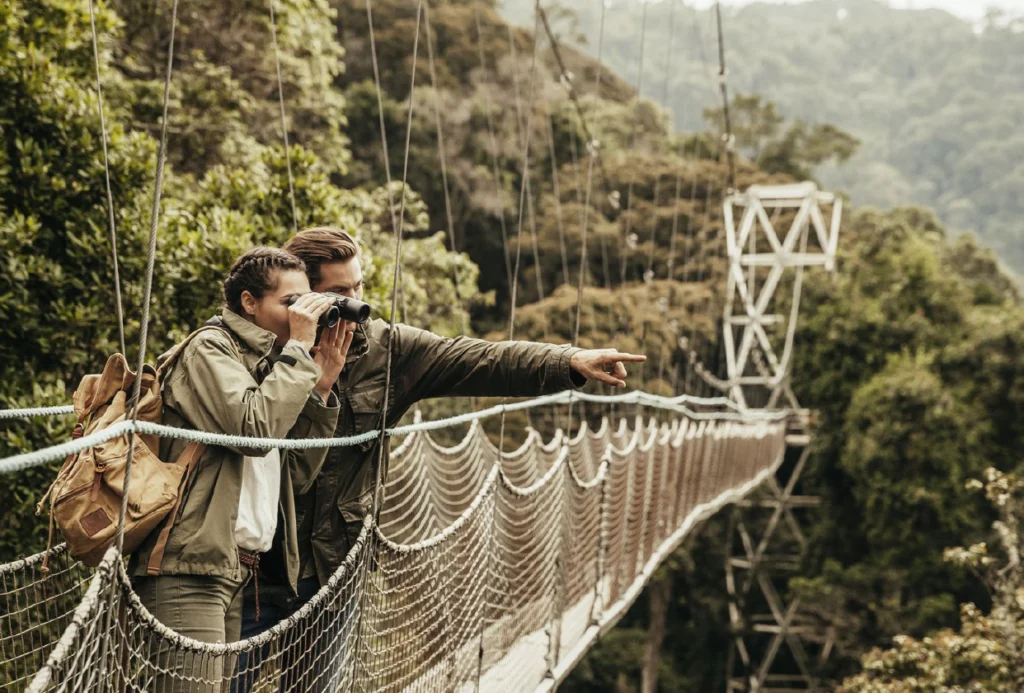
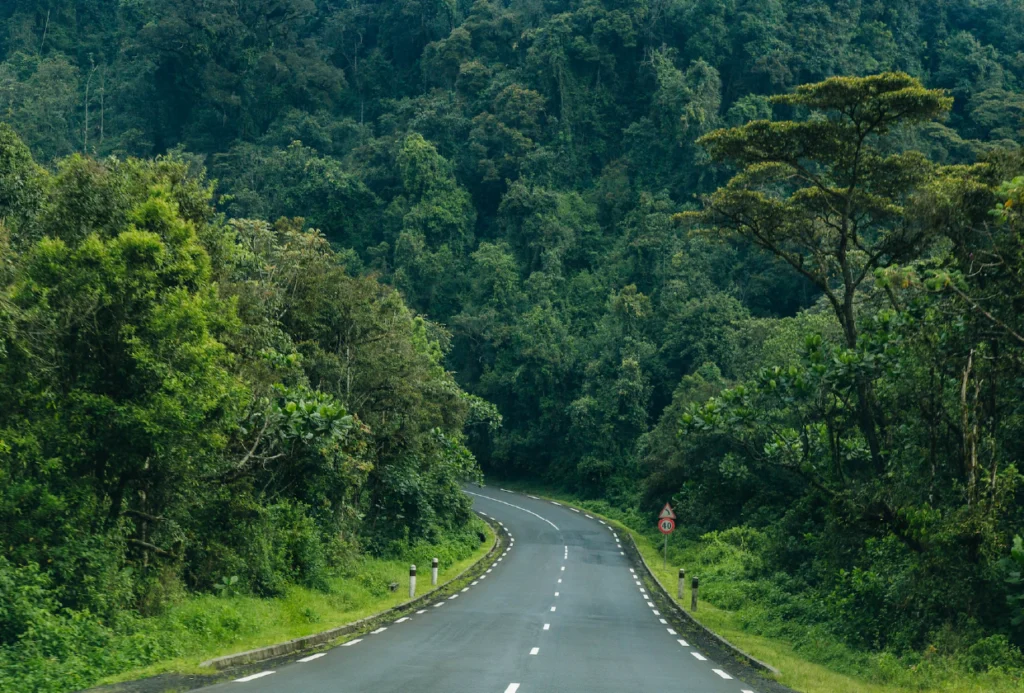
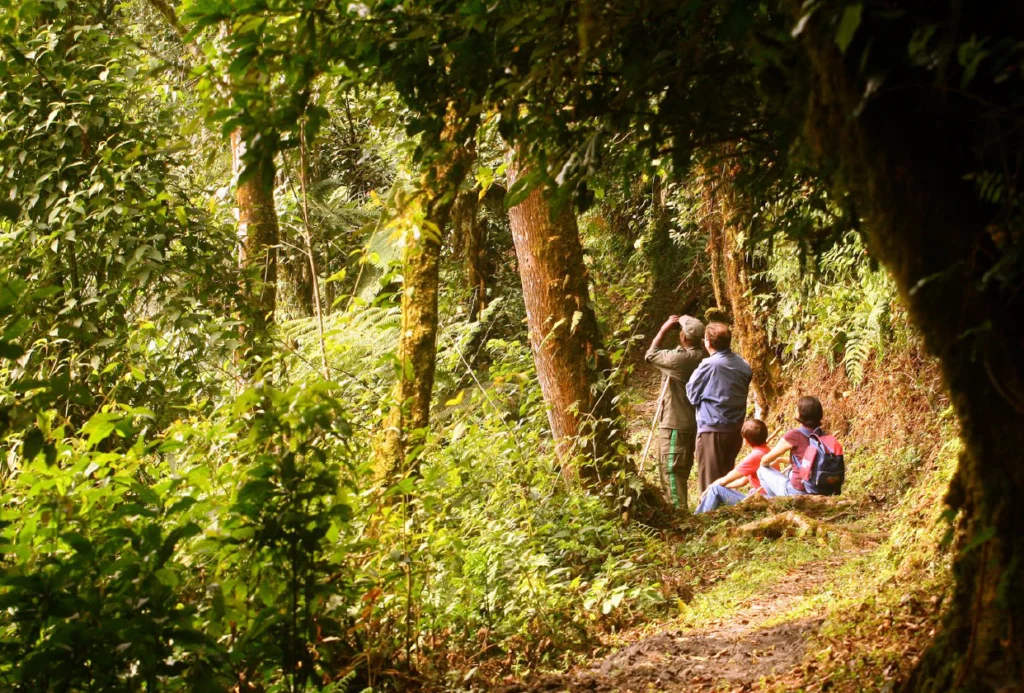
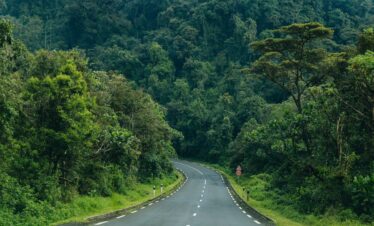
Located in the southwest, Nyungwe Forest National Park is a pristine montane rainforest with immense biodiversity. The park hosts numerous primate species (including chimpanzees and colobus monkeys) and hundreds of bird species, many of them endemic. The famous Canopy Walkway offers elevated views of endless treetops from about 70 meters above the forest floor. Chimp tracking allows small groups to meet habituated troops, and an extensive trail network accesses waterfalls and viewpoints.
Walking the high Canopy Walkway in Nyungwe Forest – 360° views over ancient rainforest.
What to Do There
Canopy Walk: Cross the suspension bridge for panoramic rainforest views and a unique perspective on the forest canopy.
Chimpanzee Trekking: Join guided hikes to find one of the park’s habituated chimp groups (limited visitor numbers).
Colobus and Primate Walks: Search for large colobus troops and colorful monkeys on dedicated trails.
Adventure Activities: Zipline courses and long trekking routes add adrenaline to the rainforest experience.
Waterfalls & Tea Tours: Hike to Kamiranzovu Falls or visit nearby tea plantations for a different landscape.
Best Time to Visit
Dry seasons (June–September, December–February) offer clearer trails and better views, although rain can occur year-round. Birdwatching and chimp sightings are productive during both dry and wet months.
How to Get There
Nyungwe lies about 220 km (4–5 hours) southwest of Kigali by road. Charter flights to Kamembe shorten transfer times. Roads from Kamembe/Cyangugu provide access to park entry points, and internal transfers are typically by vehicle.
Tips
- Clothing & Footwear: Bring layers, long sleeves and sturdy hiking boots for muddy trails.
- Rain Gear: Carry a lightweight rain jacket or poncho.
- Insect Protection: Use repellent and consider treated clothing.
- Permits: Book chimp and canopy walk permits in advance.
- Night Walks: Night hikes can reveal nocturnal species for an added experience.
Lake Kivu (Gisenyi)
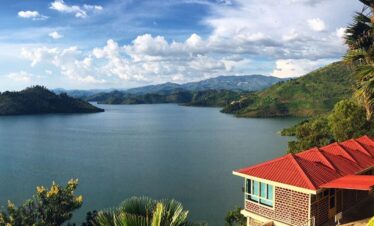
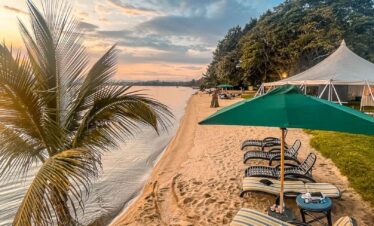
Lake Kivu on Rwanda’s western border provides calm water, warm swimming spots and soothing lakeside scenery. Unlike many large African lakes, Kivu has no hippos or crocodiles in most populated areas, making swimming and watersports accessible. Gisenyi (Rubavu) offers beach bars, cafes and relaxed lakeside life. Kayaking, paddleboarding and sunset cruises are popular activities.
Colorful houses and boats on Lake Kivu at dawn – calm, warm water with no crocodiles.
What to Do There
Kayaking & Paddleboarding: Rent equipment for sunrise paddling across calm water.
Swimming & Beach Time: Enjoy clear, warm water without predators in many areas.
Boat Tours & Sunset Cruises: Visit nearby islets such as Peace Island for a scenic outing.
Fishing & Markets: Join local fishermen or sample grilled sambaza at market stalls.
Coffee & Crafts: Nearby plantations and markets offer fresh coffee tastings and souvenirs.
Best Time to Visit
Lake Kivu is pleasant year-round, but dry months (June–September, December–February) tend to provide calm waters and clearer skies. Morning activities are ideal during rainy seasons.
How to Get There
Gisenyi is about 145 km north of Kigali (around 3 hours by road). Regular buses and private transfers connect the lake towns. Local boats operate between beaches and small islands.
Tips
- Watersports Rentals: Book in advance during peak season for kayaks or paddleboards.
- Sunscreen: Use reef-safe sunscreen and bring a hat for sun protection.
- Border Safety: Avoid lingering near cross-border areas after dark.
- Local Support: Purchase coffee and crafts from local co-ops to support communities.
Twin Lakes Burera and Ruhondo
In northern Rwanda, Burera and Ruhondo form two deep crater lakes with dramatic views of nearby Virunga peaks. These lakes provide calm canoe rides, excellent birding and tranquil scenery. Their proximity to Musanze makes them a convenient stop after mountain treks.
What to Do There
Boat Cruise: Take an early morning canoe or a motorboat tour for reflective water views and birdwatching.
Birding: Spot grey crowned cranes, kingfishers and herons along the reed beds.
Nature Walks: Gentle hikes through terraced farmland and wetlands reveal local life and fishing practices.
Combine with Volcanoes: Pair a lake visit with gorilla treks for a balanced itinerary.
Best Time to Visit
Dry months offer the clearest views and calmer waters for boat excursions. Migratory birds arrive in October, making fall a birdwatcher’s season.
How to Get There
The Twin Lakes are about 90–100 km north of Kigali via Musanze. Shared taxis and private transfers reach nearby piers where boats launch.
Tips
- Bring Layers: Mornings can be chilly at higher elevations.
- Boat Comfort: Choose a motorboat for longer excursions and more comfort.
- Supplies: Pack snacks and water; local shops are limited in remote spots.
Musanze Caves
The Musanze Caves (Iby’iwacu area) lie near Musanze town and provide an accessible underground adventure. Formed by volcanic activity, the caves feature limestone passages and stalactite formations. Guides lead visitors through caverns while explaining geological history and local stories.
Best Time to Visit
Cave visits work in any season, with dry months preferred for comfortable walking to the cave entrances.
How to Get There
Musanze Caves are a short drive from Musanze town, accessible via local roads. Guides and tour operators arrange transfers from nearby lodges.
Tips
- Flashlight: Carry a small torch for dark sections.
- Sturdy Footwear: Wear closed shoes with grip for uneven surfaces.
- Local Guides: Hire a certified guide for safety and interpretation.
Butare (Huye) — Cultural Depth
Butare (Huye) is Rwanda’s cultural capital with museums, historic sites and a university atmosphere. The Ethnographic Museum offers rich displays of pre-colonial life, and the King’s Palace in Nyanza provides insights into monarchy-era Rwanda. For cultural context and museum visits, Butare is an essential stop.
What to Do There
- Ethnographic Museum: Browse artifacts, traditional tools and historical displays that trace Rwandan life.
- King’s Palace (Nyanza): Visit the reconstructed royal house and royal cows.
- Local Cafés & Markets: Enjoy coffee and local snacks while strolling town streets.
Best Time to Visit
Visit during dry months for comfortable museum and walking tours. Cultural festivals can add vibrancy throughout the year.
How to Get There
Butare is approximately 2–3 hours south of Kigali by road. Regular buses and private transfers operate between Kigali and Butare.
Tips
- Guided Visits: Use museum guides to gain context for displays.
- Combine Itineraries: Pair Butare with Kibeho or Nyungwe for efficient routing.
Conclusion
From Kigali’s coffee stands to misty gorilla forests and tranquil crater lakes, Rwanda offers a compact but rich array of places to visit in Rwanda. These top Rwanda destinations — Volcanoes, Nyungwe, Akagera, Lake Kivu, the Twin Lakes, Kibeho, butare and more — each provide unique experiences: wildlife viewing, cultural immersion, birding and lakeside relaxation. Practical tips include booking gorilla permits early, checking visa requirements (tourist visas are available on arrival in Kigali for many nationalities), and preparing for varying climates across regions. Sustainable travel is central: choose lodges and guides that support conservation and local communities. For deeper logistics on gorilla treks, see the [link to our Volcanoes National Park guide]. Ready to plan a trip? Explore permit options, compare lodges, and set dates for the dry seasons for the best viewing.

